
The Book
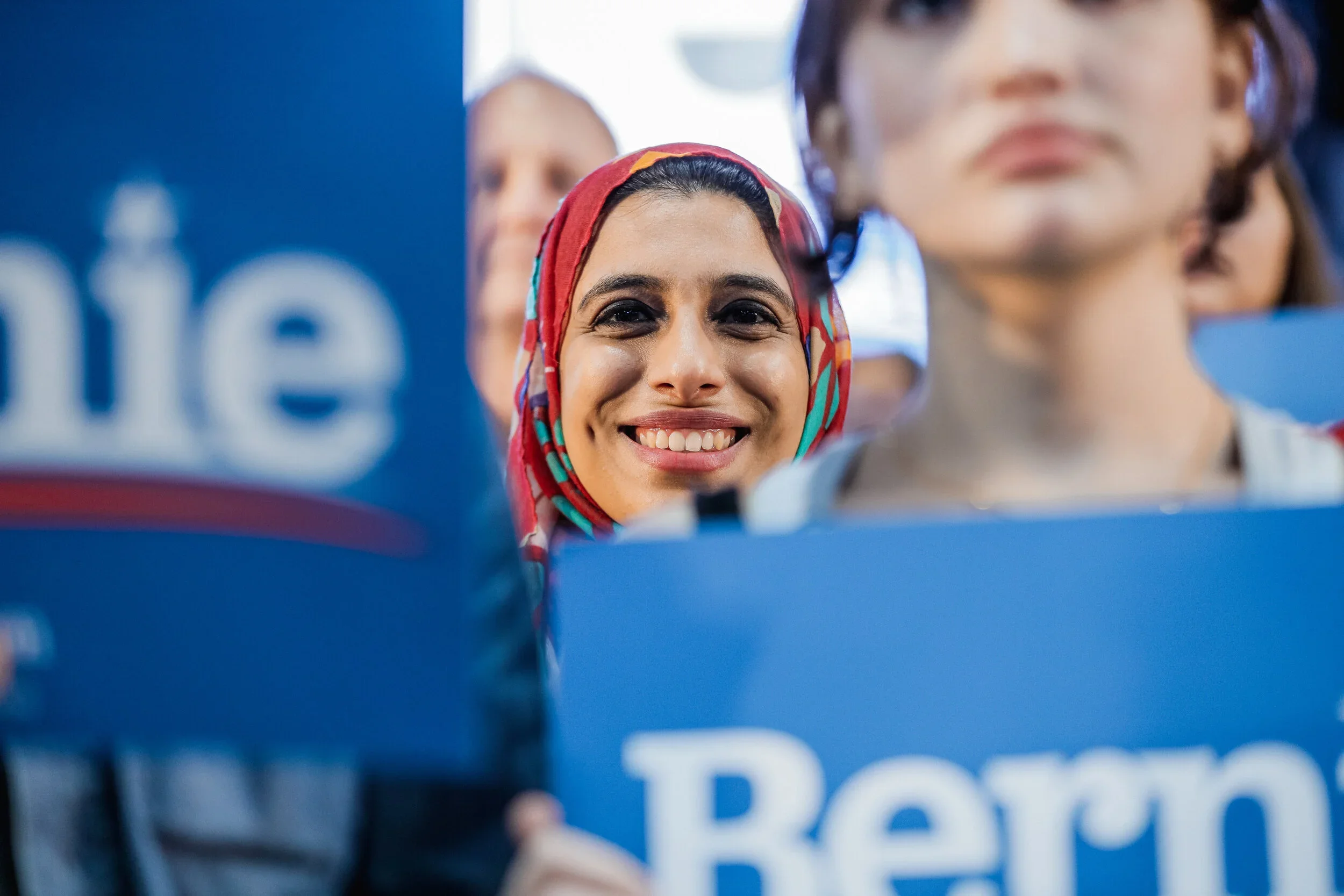
What is The Big Book of US, what will it feel like, why I am the one making it, and what’s going to be inside.
This is not a highlight reel. It’s a people-powered archive—made with the same seriousness we brought to the work.
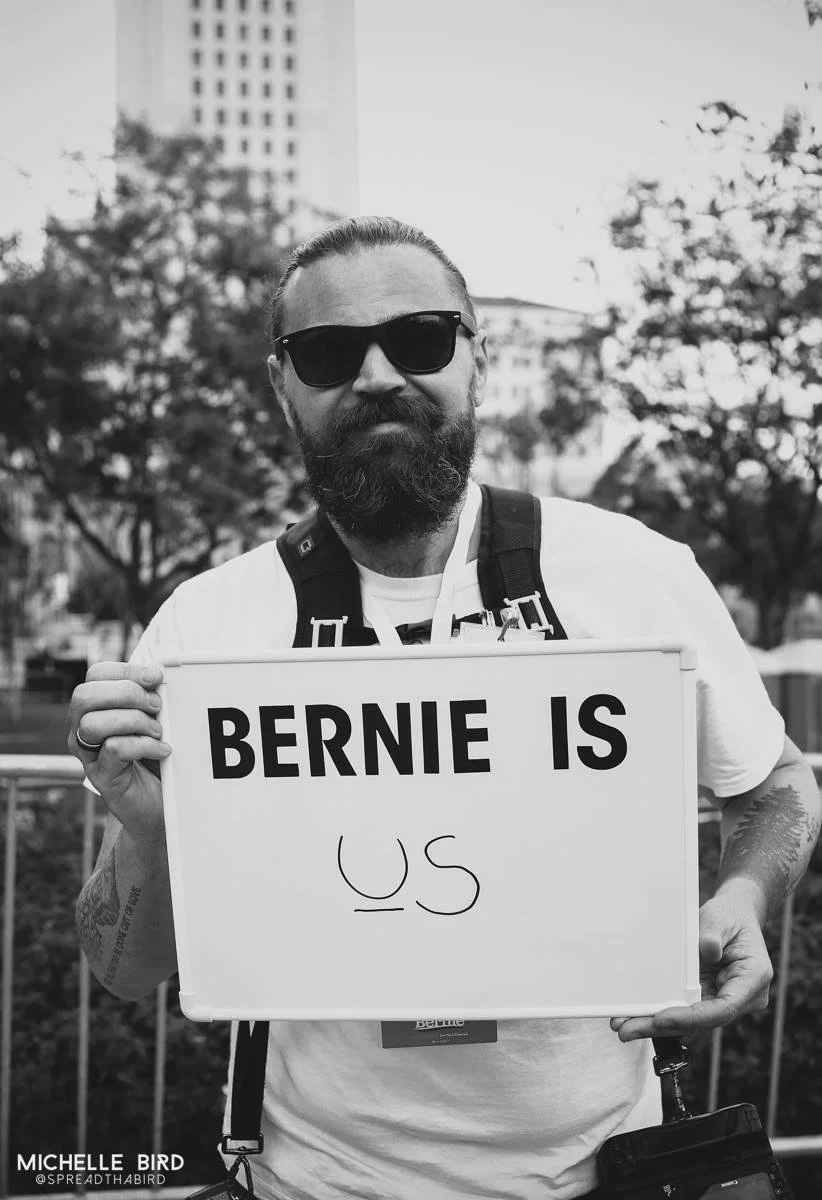
Where my chapter begins
I wasn’t there on launch day. My story starts in March 2019—San Diego and Los Angeles—when a photo I made in LA went viral and the campaign reached out. April 2019, Wisconsin was my first sprint. From there, the road didn’t stop.
That matters because this book isn’t written from a press riser. I… WE are writing this from inside the traveling party, inside the field offices, inside the in-between moments where the movement was actually built.
My first frames weren’t official (until they were)
What you’ll see inside
The road: travel days, long nights, real exhaustion, real joy.
The rallies: scale, sound, emotion, and faces you still remember
The ground game: offices, canvasses, trainings, wins and gut punches
The “family photos”: staff clicks at the end of major events—advancers, organizers, surrogates, the whole crew
The private work: meetings and moments that were never about the camera
Where we go from here: post-2020 organizing, continuing fights, and what survived
Formats I’m aiming for
I want this book to be something people can actually own in their heart, not just with their wallets.
The movement wasn’t built by people with excess time and excess money. It was built by organizers, volunteers, union members, students, parents, people working two jobs, people who showed up because they believed in something.
So accessibility matters.
At the same time, the flagship edition needs to be treated like a serious publishing object. I’m not interested in cutting corners just to lower a price point if it compromises the integrity of the work.
Here’s how I’m thinking about it.
-
This is the full vision.
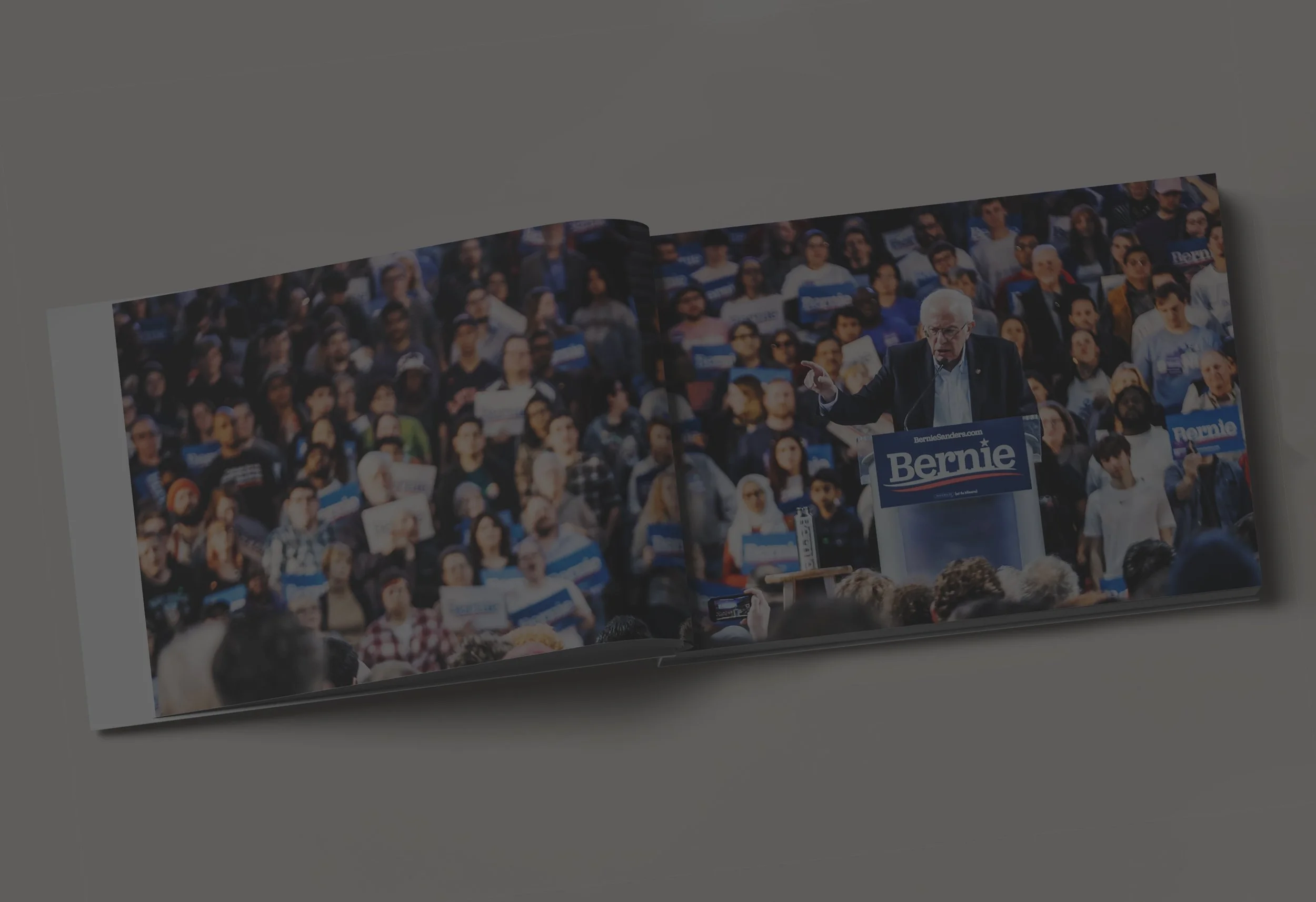
A 350–400 page, landscape-forward, lay-flat volume that holds the entire arc: the road, the staff, the rallies, the private moments, and the continuation after 2020.
This edition is meant to feel substantial. Something you leave on a table. Something you come back to. Something that can live on a shelf twenty years from now without feeling disposable.
Format goals:
Hardcover
Lay-flat binding for panoramic two-page spreads
Printed cover (no dust jacket)
Full-bleed spreads with restrained, intentional pacing
This is the flagship. It sets the standard.
-
I’m also exploring a condensed edition.
Not a watered-down version. Not a cheap afterthought. A tighter, more distilled object for people who want the story but can’t justify premium art-book pricing.
This version would:
Preserve the emotional arc
Include core images and voices
Reduce page count while maintaining narrative integrity
If it exists, it will still feel intentional. It just won’t carry the full weight of the flagship.
-
Ideally, the flagship exists as a hardcover, and a more accessible paperback version is available alongside it.
But I won’t force false choices.
If the production math requires me to choose between:
Print quality and accessibility
Union-backed printing and lower cost
Lay-flat integrity and cheaper binding
I’ll be transparent about those decisions.
The final format structure will be determined by:
Union print quotes
Minimum viable print run thresholds
Community support during crowdfunding
Real production costs, not guesswork
I’d rather explain the numbers honestly than quietly compromise the object.
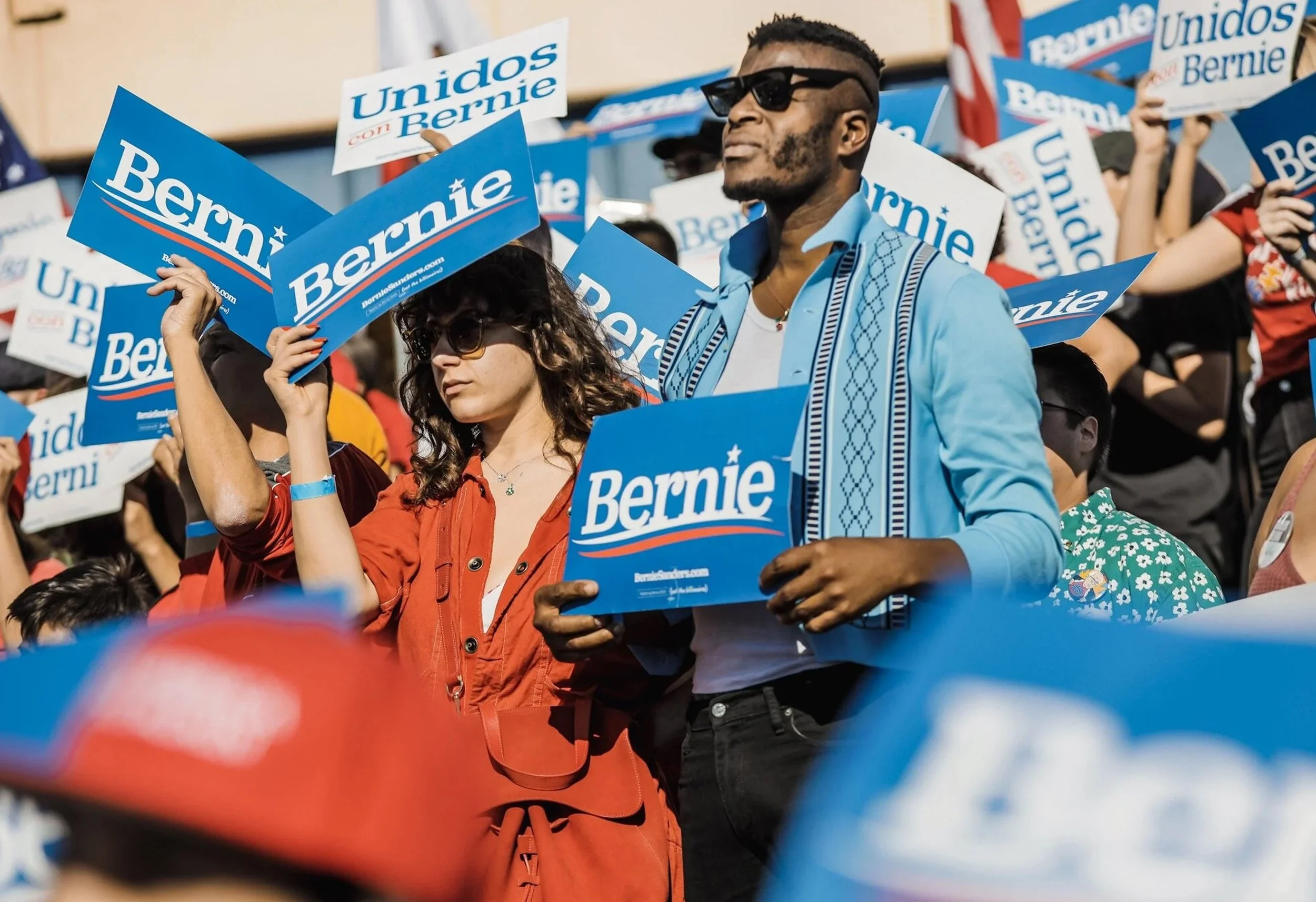
Production commitments
I want this printed with a union-backed U.S. shop. Period.
The campaign wasn’t just messaging. It was about labor, dignity, and material conditions. Those values don’t stop on the road, they apply to how this book will be produced.
Printing domestically — and ideally in a union environment — means:
Production standards are consistent
Workers are paid fairly
Communication is direct
Quality control is real
The object isn’t quietly outsourced to the cheapest possible labor market
If the book is about solidarity, it should be produced in alignment with those values.
That commitment may affect pricing. It may affect minimum print runs. It may require transparency about the numbers. I’m prepared for that.